
Plotwise

Project intelligence for the built environment.

Plotwise is a project assistant for architects, built around the project record. It keeps track of a project's drawings, correspondence, requirements and decisions, and assesses each new request against them, so you can see what it affects before you commit to the work.

Made by an architect, from the experience of delivering buildings.

Plotwise is developed by an architect, from first-hand experience of taking projects through construction. Hours went into tracing drawings, correspondence and earlier decisions to understand what a query or a change would affect.

Plotwise is built for the coordination, revisions and judgement behind every reply.

About Plotwise
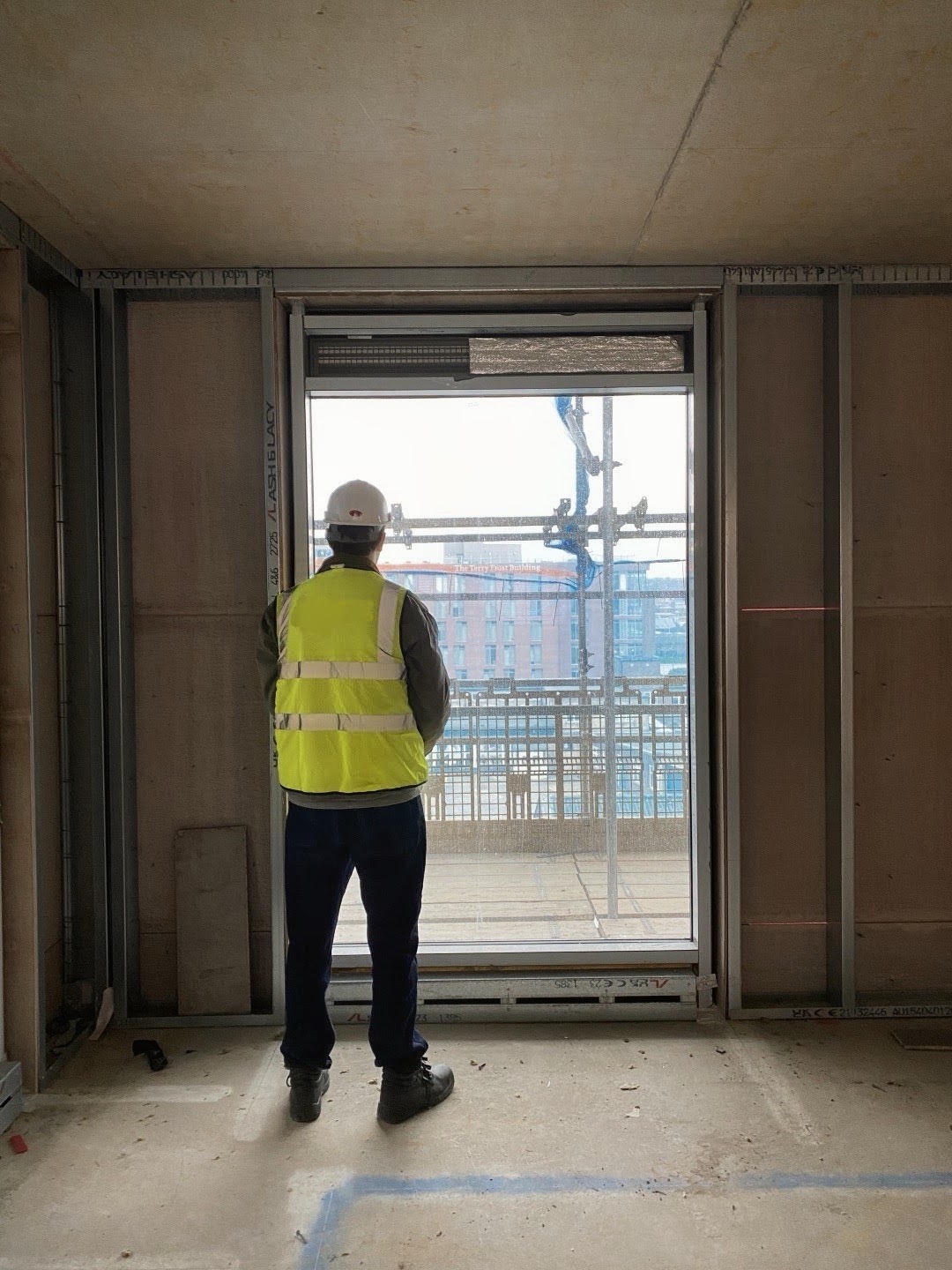
The founder in a hard hat and high-visibility vest, seen from behind at a full-height window on an unfinished upper floor, looking out over the scaffold.
On site during construction.
1The project record

A project record you can work with.

Plotwise keeps the record as work progresses. It holds drawings by revision, correspondence, planning conditions and the appointment, and every decision with the reason it was made and what is still unresolved. When people move on or a project goes on hold, the reasoning stays with the practice, not only the files.

2Ask the project

Ask the project.

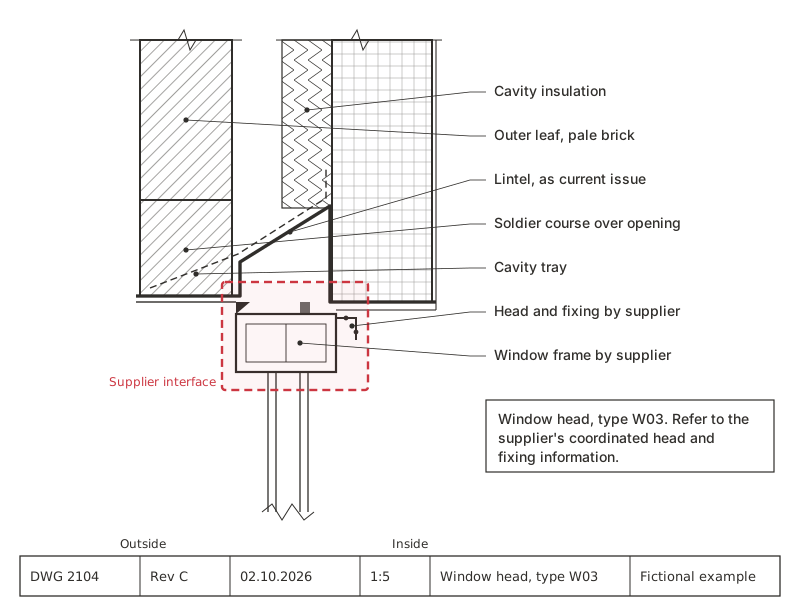
Plotwise is the assistant that knows the project best. It has read every drawing, letter and approval, alongside planning and Building Regulations, and names the source behind each point. When a supplier proposes a different window head, the answer by hand depends on seven open windows, and Planning Condition 4 is missed. With Plotwise, one question traces the record and finds it.

By hand, the desktop fills with folders and seven open windows, among them mail, a shared folder, a browser with many tabs, the approval, the fees sheet, the drawing and the reply. Planning Condition 4 is buried in the approval under the fees sheet, and the reply is sent without it, losing 27,400 pounds. With the project record, a question typed into Plotwise is checked across the record, including the drawing register, planning Condition 4, Approved Document C of the Building Regulations, the structural engineer, the supplier and the fee scope in the appointment. The answer cites its sources, and a flow below runs from the request through six linked sources and Condition 4 to the recorded decision and a fee line, saving the 27,400 pounds.

3Understand what follows

Understand what follows.

Plotwise sets out what a decision depends on, who needs to contribute and what may follow. The same request can be routine coordination, a contractor's change or an additional service. Read it wrongly and the result is abortive work, a breached condition and rework on site.

About 5%

of project value is the direct cost of avoidable errors, in the international studies GIRI cites.

GIRI, A Call to Action, p. 2, 2016. Industry context, not a forecast for one project.
3 drivers

of professional liability claims. They are technical errors, inadequate project management, and communication or documentation failures.

AIA Trust, 2025 Trends in Professional Liability Insurance, January 2026. US context.
4Get paid for the work

Get paid for the work you do.

Plotwise sets the work a request involves against the agreed scope. Services outside the fee are identified and documented, so you can put a fee proposal to the client before committing resources, rather than absorbing the time.

Work and fees

The requests you already handle.

Site queries, planning conditions and work beyond the appointment arrive every week. Plotwise meets each one with the project record already in view.

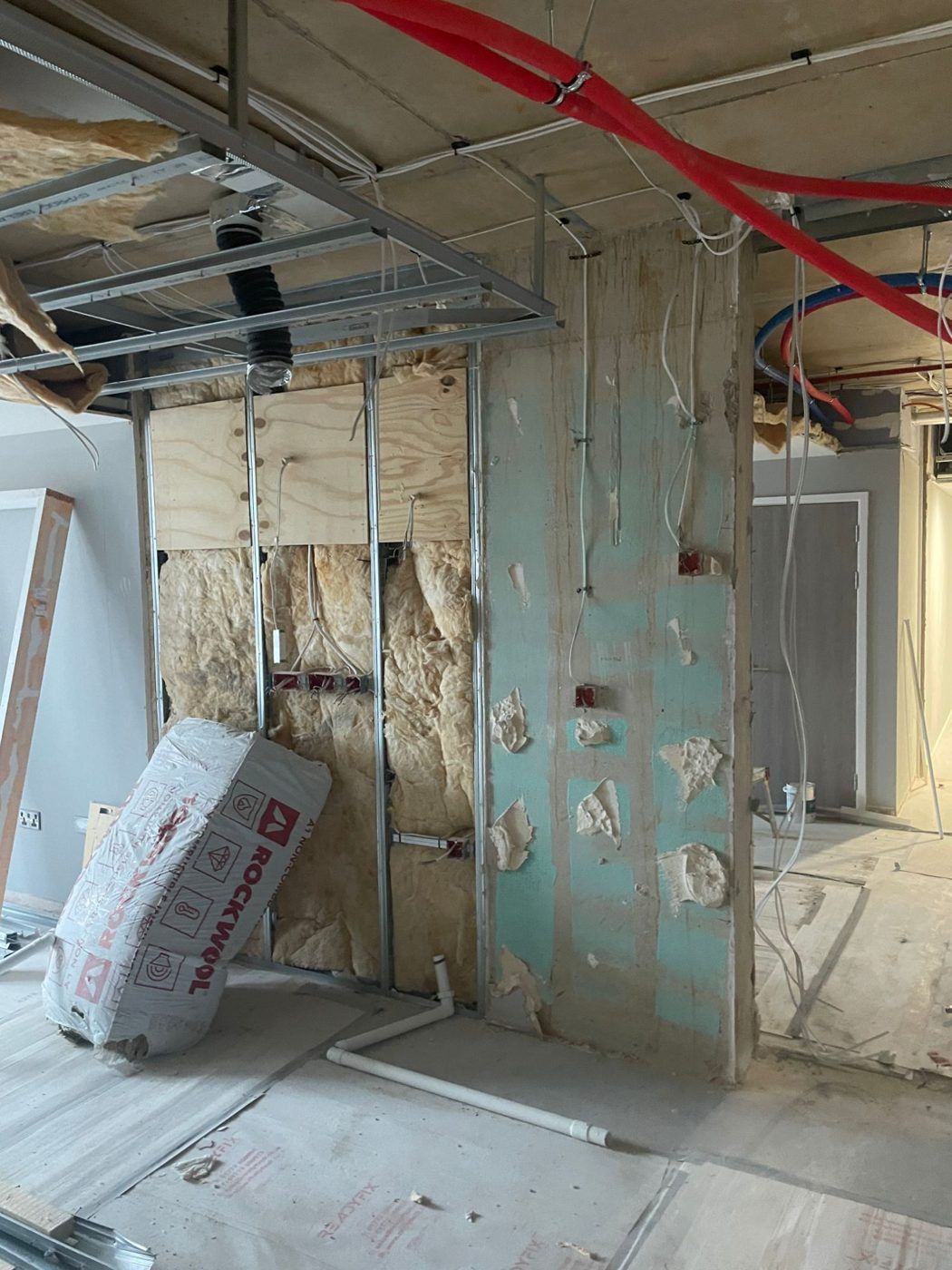
An interior under construction, with stud walls, insulation and services exposed.
A site query The contractor's canopy query is checked against the appointment and found to be within the agreed services. Canopy queryIn scope1.5 h
Residential blocks in brick and blue cladding, with yellow balconies.
A planning condition Condition 4 fixes the window head depth. Plotwise brings it forward whenever a request touches the heads. P-001 Condition 4Applies215 mm
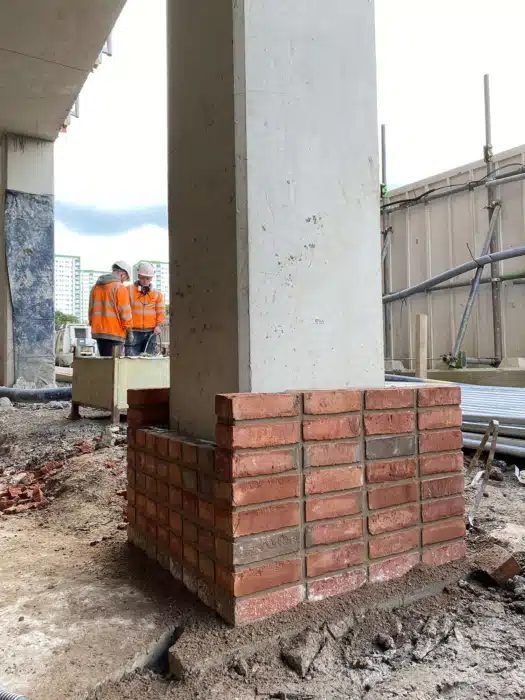
A new brick pier on site, with its coursing and mortar joints in close view.
An additional service The lintel redesign falls outside the appointment. It is documented as AS-014, ready for a fee proposal. AS-014 Lintel redesignProposed£4,200

Plotwise prepares. You decide.

Plotwise explains the implications and sets out the options with their sources. The decision, and professional responsibility, stay with the architect.

Who makes the decision?
The architect. Plotwise brings the information, open questions and work into view, and each decision is recorded as yours.
Where is project information held?
In the UK, under a written agreement with your practice made before any project information is shared. Data and privacy
How is it set up?
On the project folders you already keep, starting with the requests you already handle.
How is it priced?
As a practice subscription, priced to the practice and the projects it runs. Request pricing

The information behind a request has always been there.

It sits across drawings, correspondence, approvals and the appointment. Connecting it has been the architect's job, done by hand, against a deadline, and often by whoever knows the project best.

Software can now read those documents together, alongside planning and building regulations. The connections can be traced as a request arrives, rather than reconstructed after something has gone wrong.